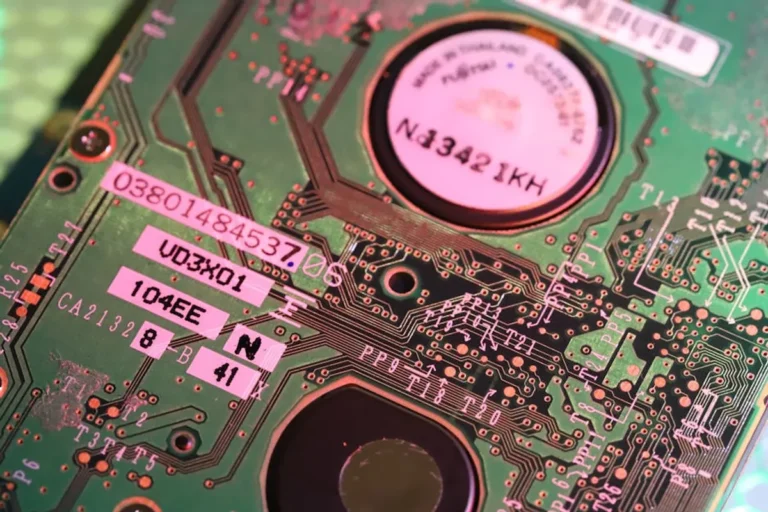

The decision to pursue a pre-packaged kit or undertake a custom build arises in numerous technical and creative fields, from electronics and robotics to software development and fabrication. It’s a fundamental fork in the road that dictates project scope, budget, learning outcomes, and ultimate functionality. This choice isn't merely about convenience versus effort; it's a strategic allocation of resources, time, and intellectual capital that directly impacts the project's success and your overall experience.
Understanding Kits: Guided Assembly and Predictable Outcomes
A kit provides a curated collection of components, often accompanied by detailed instructions, pre-configured software, or even pre-assembled sub-modules. The primary appeal of kits lies in their accessibility and the reduced barrier to entry they offer for complex projects. They streamline the building process, minimizing the need for extensive research into component compatibility or complex circuit design.
Advantages of Kits
- Reduced Complexity: All necessary parts are included, eliminating the need for individual component sourcing and compatibility checks. This significantly cuts down on research time.
- Predictable Cost: Kits come with a fixed price, making budgeting straightforward. Unexpected expenses from forgotten components or multiple shipping fees are rare.
- Faster Assembly: With pre-selected parts and often step-by-step guides, assembly times are generally shorter, allowing for quicker project completion.
- Structured Learning: Kits are excellent for beginners. They provide a guided introduction to a specific technology or concept without requiring deep foundational knowledge from the outset. You learn by doing, following established procedures.
- Guaranteed Functionality: Assuming correct assembly, kits are designed to work as advertised, offering a high probability of success for first-time builders.
Disadvantages of Kits
- Limited Customization: Kits are designed for a specific purpose. Modifying them often proves challenging, requiring additional components, circuit alterations, and a deeper understanding that the kit itself doesn't teach.
- Component Quality & Sourcing: While functional, kit components may not always be top-tier or from preferred manufacturers. You have little say in the quality or origin of individual parts.
- Less Deep Learning: While great for initial exposure, kits typically focus on assembly rather than design principles, fundamental electronics, or advanced troubleshooting. The "why" behind component choices or circuit topology is often omitted.
- Repetitive Experience: If building multiple identical units, the process can become monotonous, offering diminishing returns in terms of learning and problem-solving engagement.
Understanding Custom Builds: Unrestricted Design and Deep Mastery
A custom build involves selecting and sourcing every component individually, designing the architecture from the ground up, and integrating all elements to achieve a specific, often unique, functionality. This approach demands a higher level of expertise, patience, and a willingness to troubleshoot extensively.
Advantages of Custom Builds
- Full Control & Optimization: You dictate every aspect, from component selection to software architecture. This allows for precise optimization for performance, efficiency, size, or any other specific requirement.
- Deep Learning & Mastery: The process forces a comprehensive understanding of each component's function, interdependencies, and design principles. Troubleshooting custom designs cultivates advanced problem-solving skills.
- Unique Solutions: Custom builds enable the creation of highly specialized devices or systems that are not commercially available or easily replicated by kits. This is crucial for niche applications or innovative projects.
- Potential Cost Efficiency (Long-Term): While initial investment can be higher, strategic component sourcing and reusability of learned skills can lead to more cost-effective solutions for future projects or scaling.
Disadvantages of Custom Builds
- High Complexity & Time Commitment: Research, design, sourcing, assembly, programming, and debugging all demand significant time and effort. The project timeline is often unpredictable.
- Higher Risk & Troubleshooting: The probability of errors, component incompatibilities, or design flaws is significantly higher. Debugging can be a time-consuming and frustrating process, often requiring specialized tools and deep knowledge.
- Steeper Learning Curve: Requires a solid foundation in the relevant technical disciplines (e.g., electronics, programming, mechanics) and a continuous learning mindset.
- Variable Cost: The final cost can fluctuate due to unexpected component failures, design iterations, multiple shipping fees, or the need for specialized tools.
Key Factors for Making Your Choice
Skill Level and Experience
Kits are best for: Beginners, those new to a specific technology, or individuals looking for a quick, successful project with minimal prior knowledge.
Custom builds are best for: Experienced builders, engineers, or those with a strong theoretical understanding and practical troubleshooting skills.
Project Goals and Customization Needs
Kits are best for: Replicating a known function, learning a specific skill set (e.g., soldering, basic coding), or when the exact specifications of the kit meet your needs.
Custom builds are best for: Projects with unique performance requirements, specific form factors, integration with existing systems, or when innovation and differentiation are paramount.
Time and Budget Constraints
Kits are best for: Projects with tight deadlines and fixed budgets. The predictable nature of kits minimizes financial surprises and accelerates completion.
Custom builds are best for: Projects where flexibility in both time and budget is available, acknowledging that unforeseen challenges can extend both. The investment is often in learning and unique output.
Pro Tip: For commercial applications, factor in the "cost of failure" for both options. A failed kit project wastes a fixed amount of money and a predictable amount of time. A failed custom build can mean significant sunk costs in research, specialized tools, and extensive labor, with no guarantee of a working prototype.
Strategic Decision-Making
The optimal choice often depends on balancing immediate project needs with long-term learning objectives. If your primary goal is to quickly achieve a functional outcome with minimal fuss, a kit is often the most efficient path. It provides a tangible result and builds confidence. However, if the journey of discovery, the pursuit of a unique solution, and the acquisition of deep technical mastery are your priorities, a custom build offers unparalleled rewards, albeit with greater demands on your resources and patience.
Consider a hybrid approach: start with a kit to grasp fundamental concepts, then use that knowledge as a springboard for a more ambitious custom project. This allows for incremental learning and a smoother transition into complex design challenges.
Frequently Asked Questions
Are custom builds always more expensive than kits?
Not necessarily in terms of raw component cost, but when accounting for research time, troubleshooting, specialized tools, and potential component failures, the total project cost for a custom build often exceeds that of a comparable kit.
Can I modify a kit after building it?
Yes, but the ease and extent of modification depend heavily on the kit's design and your technical skills. Some kits are more amenable to upgrades or alterations than others, while some are designed as closed systems.
What's the best way to start learning custom builds?
Begin with small, well-documented custom projects. Focus on understanding individual components and basic circuit theory. Online communities, tutorials, and open-source schematics are invaluable resources for learning and troubleshooting.
Do kits offer good resale value?
Generally, kits, once assembled, have limited resale value compared to their original purchase price. Their value lies more in the learning experience and the functional outcome rather than as an investment.