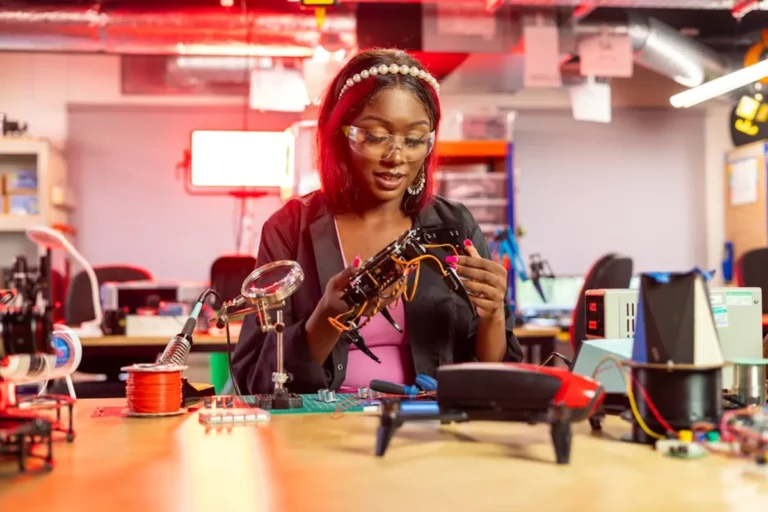
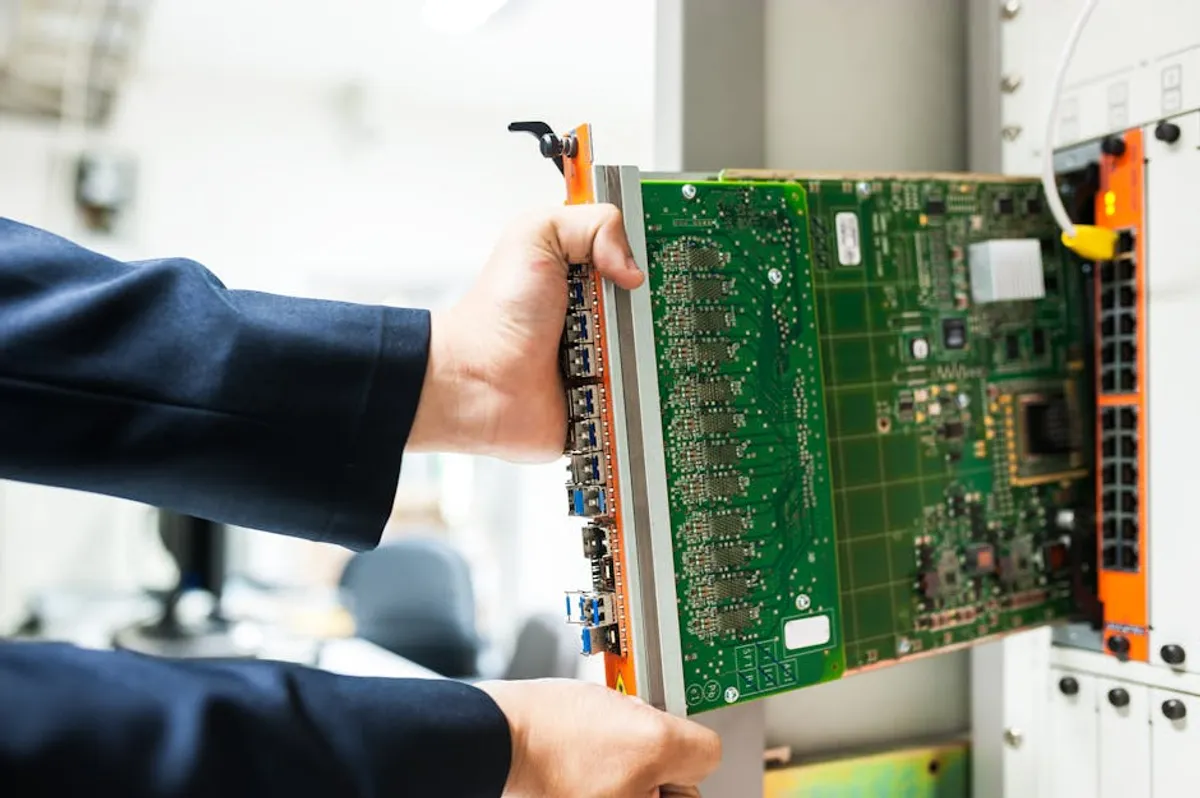
Embarking on electronics projects at home serves as a foundational entry point into understanding the tangible principles of electrical engineering and computational logic. For professionals navigating technical content, product development, or marketing in tech-adjacent sectors, hands-on experience with basic circuits clarifies abstract concepts. This exploration isn't merely about assembling components; it's about demystifying how everyday devices function, fostering systematic problem-solving, and building a practical vocabulary for technical discussions. Understanding these core mechanics provides a distinct advantage in identifying market opportunities, communicating technical value propositions, and developing more informed content strategies.
Understanding Basic Circuits with LED Projects
Light-Emitting Diode (LED) projects offer an immediate visual feedback loop, making them ideal for beginners. These projects typically involve simple series and parallel circuits, introducing fundamental concepts like voltage, current, and resistance without complex calculations. Building an LED circuit demonstrates Ohm's Law in practice, illustrating how a resistor limits current to protect the LED from damage. This practical application solidifies theoretical knowledge, which is critical for understanding power management in any electronic system.
Practical application: Mastering LED circuits translates directly to understanding indicator lights in consumer electronics, display technologies, and even basic data visualization through light patterns. It establishes a baseline for component selection and circuit protection.
Flashing LEDs and Timing Circuits
Moving beyond static illumination, projects involving flashing LEDs introduce timing circuits. Often utilizing components like the 555 timer IC, these projects demonstrate how capacitors charge and discharge through resistors to create oscillating signals. The 555 timer is a versatile chip, capable of operating in astable (free-running oscillator) or monostable (one-shot pulse generator) modes. Constructing these circuits reveals the interplay between analog components to generate digital-like behavior, a cornerstone of embedded systems.
Skill development: These projects cultivate an understanding of clock signals, pulse generation, and the principles behind waveform generation—concepts vital for digital communication, control systems, and audio electronics.
Exploring Microcontrollers with Simple Automation
Microcontrollers, such as those found in development boards, bridge the gap between basic circuits and programmable logic. Projects utilizing these platforms introduce the concept of embedded programming, allowing physical components to be controlled by software instructions. Starting with simple input/output tasks, like blinking an LED based on a button press, provides a tangible link between code and physical action.
Core learning: This segment introduces the iterative process of writing code, uploading it to hardware, testing, and debugging. It develops an appreciation for how software dictates hardware behavior, a fundamental principle behind IoT devices, robotics, and automated systems.
Sensor Integration and Data Acquisition
Expanding on microcontroller basics, integrating sensors allows projects to interact with their environment. Common beginner sensors include temperature, light, and ultrasonic distance sensors. Building a simple weather station or an automatic night light demonstrates how analog sensor data is converted into digital signals that the microcontroller can process. This introduces concepts of analog-to-digital conversion (ADC) and data interpretation.
Pro Tip: When integrating new components or sensors, always consult the datasheet first. Datasheets provide crucial information on operating voltage, current limits, pin configurations, and communication protocols. Ignoring this step often leads to component damage or circuit malfunction, costing time and resources.
Commercial relevance: Understanding sensor integration is paramount for anyone involved with smart home technology, industrial automation, environmental monitoring, or data-driven product development. It highlights the process of gathering real-world data for analysis and decision-making.
Audio Projects and Signal Processing
Simple audio projects, such as building a basic amplifier or an audio oscillator, introduce the principles of analog signal processing. These projects involve understanding how resistors, capacitors, and transistors manipulate electrical signals to produce audible sound. Constructing a small amplifier demonstrates gain, filtering, and impedance matching—concepts crucial for audio engineering and communication systems.
Foundational insight: Engaging with audio circuits provides insight into how sound waves are converted into electrical signals, amplified, and then converted back into sound. This is directly applicable to understanding microphones, speakers, radio communication, and telecommunications infrastructure.
Power Management and Battery Projects
Every electronic device requires a stable power source. Beginner projects in power management often involve understanding battery characteristics, voltage regulation, and power distribution. Building a simple regulated power supply from a higher voltage source (e.g., a 9V battery to a 5V output using a voltage regulator) illustrates the importance of clean, consistent power for sensitive electronics. These projects emphasize efficiency, thermal management, and safety considerations. This practical experience is invaluable when choosing power supplies for electronics projects in the future.
Key takeaway: Practical experience with power management is essential for designing portable devices, ensuring circuit longevity, and understanding energy consumption in electronic products. It underscores the commercial implications of battery life and power efficiency in product design and user experience.
Building Your Foundational Skill Set
Undertaking these beginner electronics projects offers more than just a collection of assembled circuits. It cultivates a robust set of transferable skills:
- Systematic Troubleshooting: Identifying and resolving circuit malfunctions develops logical deduction and diagnostic abilities.
- Component Familiarity: Learning about common electronic components (resistors, capacitors, transistors, ICs) and their functions builds a practical lexicon for technical specifications.
- Schematic Interpretation: Translating circuit diagrams into physical layouts enhances spatial reasoning and technical comprehension.
- Prototyping Proficiency: Gaining experience with breadboards and soldering techniques improves manual dexterity and iterative design processes.
- Conceptual Clarity: Bridging the gap between theoretical principles and their physical manifestation provides a deeper understanding of technology.
These skills are invaluable for anyone looking to deepen their understanding of technology, whether for content creation, product management, or strategic planning in a tech-driven market. The practical insights gained from building these projects can inform more effective communication and innovation.
Frequently Asked Questions
What essential tools are needed to start with home electronics projects?
Beginners typically need a multimeter for measuring voltage, current, and resistance; a soldering iron with solder for permanent connections; a breadboard for prototyping circuits without soldering; wire strippers; and a basic set of small hand tools like screwdrivers and pliers. A power supply, either benchtop or battery-based, is also crucial.
How can I find reliable schematics and project instructions?
Numerous online resources provide schematics and tutorials, including educational platforms, electronics hobbyist forums, and manufacturer websites. Always cross-reference information from multiple sources and prioritize projects with clear diagrams, component lists, and safety warnings.
What are the common safety precautions for beginner electronics?
Always work with low voltages to minimize shock risk. Use appropriate eye protection when soldering, and ensure adequate ventilation. Be mindful of component polarity (especially for LEDs and electrolytic capacitors) and power ratings to prevent overheating or short circuits. Disconnect power before making changes to a live circuit.
Beyond basic projects, what are the next steps for learning?
Once comfortable with basic circuits and microcontrollers, consider delving into more complex topics like digital logic, advanced sensor applications, radio frequency (RF) circuits, or power electronics. Exploring specialized development boards (e.g., for IoT) or learning a programming language like Python for embedded systems can also open new avenues for project complexity and functionality.