
The landscape of maker projects is continuously evolving, driven by advancements in microcontrollers, sensors, and connectivity. For 2026, Arduino remains a foundational platform, but its utility expands through integration with nascent technologies like edge AI, advanced sensor fusion, and more robust, energy-efficient communication protocols. Makers looking to develop relevant and impactful projects need to consider these converging trends. The focus shifts from simple automation to intelligent, adaptive, and often interconnected systems that solve real-world problems with greater autonomy and data awareness. This necessitates a strategic approach to project selection, prioritizing ideas that leverage these emerging capabilities while remaining accessible to the dedicated hobbyist and seasoned engineer alike.
Future-Forward Arduino Projects for Smart Environments
AI-Enhanced Local Home Assistant
Develop a voice-controlled assistant that prioritizes local processing for enhanced privacy and responsiveness, moving away from cloud-dependent models. This project focuses on integrating small, efficient machine learning models (TinyML) directly onto the microcontroller. The assistant can manage smart devices, answer queries, and learn user preferences without transmitting data externally.
Key Components: An ESP32 or similar dual-core Arduino-compatible board with Wi-Fi/Bluetooth, a high-quality microphone array, a compact speaker, and local speech-to-text/text-to-speech libraries optimized for embedded systems. Integration with a local large language model (LLM) or a highly optimized neural network for intent recognition is crucial for 2026 relevance.
Relevance for 2026: Growing consumer demand for data privacy and faster, offline functionality in smart home devices. This project taps into the edge AI trend, reducing latency and reliance on internet connectivity.
Adaptive Environmental Control for Urban Farming
Construct an automated hydroponic or aeroponic system that intelligently adjusts nutrient delivery, pH levels, and light cycles based on real-time plant growth data and external environmental factors. This goes beyond simple timers, incorporating predictive analytics for optimal yield and resource efficiency.
Key Components: Arduino Mega or ESP32 for robust sensor integration and control, pH and EC sensors, ambient light sensors, temperature and humidity sensors, water pumps, grow lights, and a real-time clock module. Data logging to a local SD card or a secure, self-hosted server is important for trend analysis.
Relevance for 2026: Increased global focus on sustainable agriculture, urban food security, and resource optimization. Makers can contribute to localized food production systems with greater efficiency and reduced waste.
Robotics and Interactive Systems with Advanced Sensing
Gesture-Controlled Collaborative Robotic Arm
Design a miniature robotic arm that can be intuitively controlled through hand gestures, allowing for precise manipulation tasks. The emphasis for 2026 is on adaptive learning, where the arm can refine its movements based on repeated user input and environmental feedback.
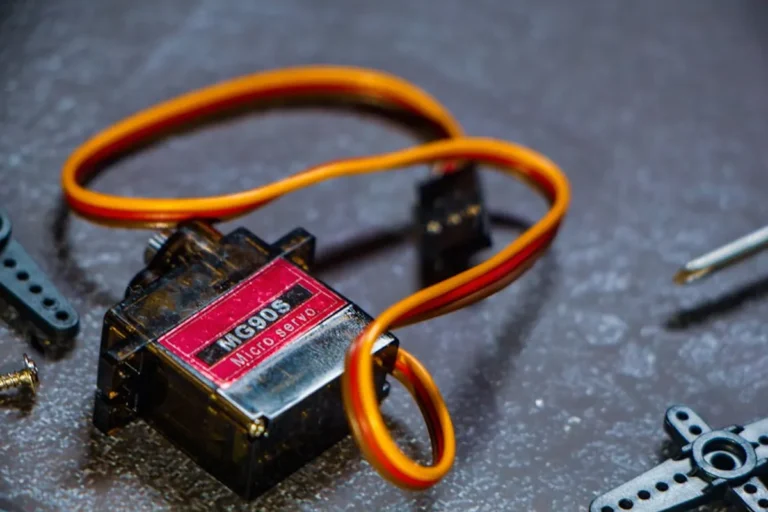
Key Components: Arduino Uno or Nano, multiple servo motors for articulated movement, an MPU-6050 (accelerometer/gyroscope) or a dedicated gesture recognition sensor, and a robust power supply. Consider adding basic object detection via a camera module and a compact vision processing unit for enhanced interaction.
Relevance for 2026: Advancements in human-machine interaction, particularly in educational robotics and assistive technologies. The collaborative aspect highlights safer, more intuitive control interfaces.
Biometric-Reactive Art Installation
Create an interactive art piece that responds dynamically to a viewer's presence and biometric data, such as heart rate or galvanic skin response. The installation could change light patterns, generate ambient sounds, or even alter physical forms based on the emotional or physiological state of the observer.
Key Components: Arduino Due (for higher processing power and DAC capabilities), various sensors (PIR for presence, pulse sensor, GSR sensor), addressable LED strips (e.g., NeoPixels), sound modules, and small actuators or motors for physical movement. Data visualization on an integrated screen could provide real-time feedback to the viewer.
Relevance for 2026: The convergence of art and technology continues to push boundaries, creating personalized and immersive experiences. This project explores the emotional resonance of technology and biofeedback in creative contexts.
Pro Tip: When planning Arduino projects for 2026, always consider the data. How will your project collect, process, store, and act upon data? Future-proof designs prioritize efficient data handling, whether for local privacy, remote monitoring, or machine learning inference at the edge.
Wearables and Personal Utility Devices
Modular Environmental Health Monitor
Develop a compact, wearable device that monitors localized environmental factors critical to personal health, such as air quality (PM2.5, CO2), UV index, and ambient temperature. The modular design allows users to swap out sensors based on specific needs or environmental concerns.
Key Components: Arduino Nano Every or ESP32-C3 for low-power operation and connectivity, a modular sensor interface, various environmental sensors (e.g., PMS5003 for PM2.5, SCD30 for CO2, VEML6075 for UV), a small OLED display, and a rechargeable lithium-ion battery with charging circuit.
Relevance for 2026: Increasing public awareness of environmental health impacts and the desire for personalized, real-time data. The modularity extends the device's lifespan and adaptability to future sensor technologies.
Beyond the Breadboard: Next Steps for Makers
Successfully executing these 2026-focused Arduino projects requires more than just coding and wiring. It demands a commitment to understanding the underlying principles of embedded systems, data science, and user experience design. Consider these practical steps:
- Skill Diversification: Invest time in learning Python for data analysis, basic machine learning concepts, and cloud integration (even for local-first projects, cloud for updates/data backup can be relevant).
- Component Sourcing: Research suppliers for cutting-edge sensors and microcontrollers. Focus on energy efficiency and miniaturization for wearable or long-term deployment projects.
- Community Engagement: Participate in online forums, local maker spaces, and hackathons. Collaboration accelerates learning and provides valuable feedback on project designs.
- Documentation: Maintain detailed project logs, including schematics, code, and build processes. This aids in debugging, sharing, and future iterations.
- Sustainability Focus: When selecting materials and components, consider their environmental impact and potential for reuse or recycling.
By embracing these advanced concepts and maintaining a maker mindset, individuals can transform complex ideas into tangible, functional prototypes that address the challenges and opportunities of 2026 and beyond.
Frequently Asked Questions
What makes an Arduino project "2026-ready"?
A 2026-ready Arduino project typically integrates elements like edge AI, advanced sensor fusion for more nuanced data, robust connectivity (Wi-Fi 6, LoRaWAN), energy efficiency, and a focus on data privacy or sustainable applications. It moves beyond basic automation towards intelligent, adaptive, and interconnected systems.
Do I need advanced programming skills for these projects?
While basic Arduino programming (C++) is fundamental, many 2026 projects benefit from additional skills in Python for data processing, machine learning frameworks (like TensorFlow Lite), and understanding API integrations. Start with core Arduino skills and gradually expand into these areas as project complexity increases.
Where can I find components for advanced Arduino projects?
Specialized components like advanced AI-capable microcontrollers, specific environmental sensors, and low-power communication modules can be sourced from major electronics distributors. Online maker stores and direct manufacturer websites often provide detailed datasheets and community support for these newer parts.
How can I ensure my project is sustainable?
Focus on using energy-efficient components, designing for longevity and repairability, and considering the end-of-life for materials. Prioritize reusable enclosures, modular designs that allow for upgrades, and code optimization to reduce power consumption, extending battery life and minimizing waste.