The Polestar 4 enters a competitive electric vehicle landscape as an SUV coupé, aiming to blend performance, distinctive design, and sustainability. For industry observers, prospective owners, or those tracking EV market trends, understanding its core proposition involves examining its unique design choices, technological integrations, and strategic market placement. This guide details the Polestar 4's defining characteristics, its intended applications, and how it positions itself within the rapidly evolving electric mobility sector, providing a framework for evaluating its commercial significance and long-term trajectory.
Defining the Polestar 4: A Distinctive Electric SUV Coupé
The Polestar 4 is positioned as an electric performance SUV coupé, slotting into the brand's lineup between the Polestar 2 fastback and the larger Polestar 3 SUV. Its commercial identity is built on a foundation of minimalist Scandinavian design principles, high-performance electric powertrains, and a commitment to sustainable material sourcing. The vehicle represents a strategic expansion for Polestar into a segment that balances utility with a more aerodynamic and visually dynamic profile than traditional SUVs.
A key differentiator is its design language, particularly the absence of a traditional rear window, replaced by a full-length glass roof that extends behind the rear passengers. This design choice aims to enhance rear cabin spaciousness and occupant experience, with a rear-view camera feeding a high-definition screen inside the vehicle. This approach underscores Polestar's willingness to challenge conventional automotive design norms to achieve specific aesthetic and functional outcomes.
Design Innovation and Aerodynamic Principles
The exterior of the Polestar 4 integrates several design elements intended to optimize aerodynamics and reinforce its performance-oriented identity. The low nose, retractable door handles, flush glazing, and aerodynamically optimized rear blade all contribute to a reduced drag coefficient, which directly impacts range and efficiency. The split rear light signature, a Polestar hallmark, is also present, providing visual continuity with the brand's other models.
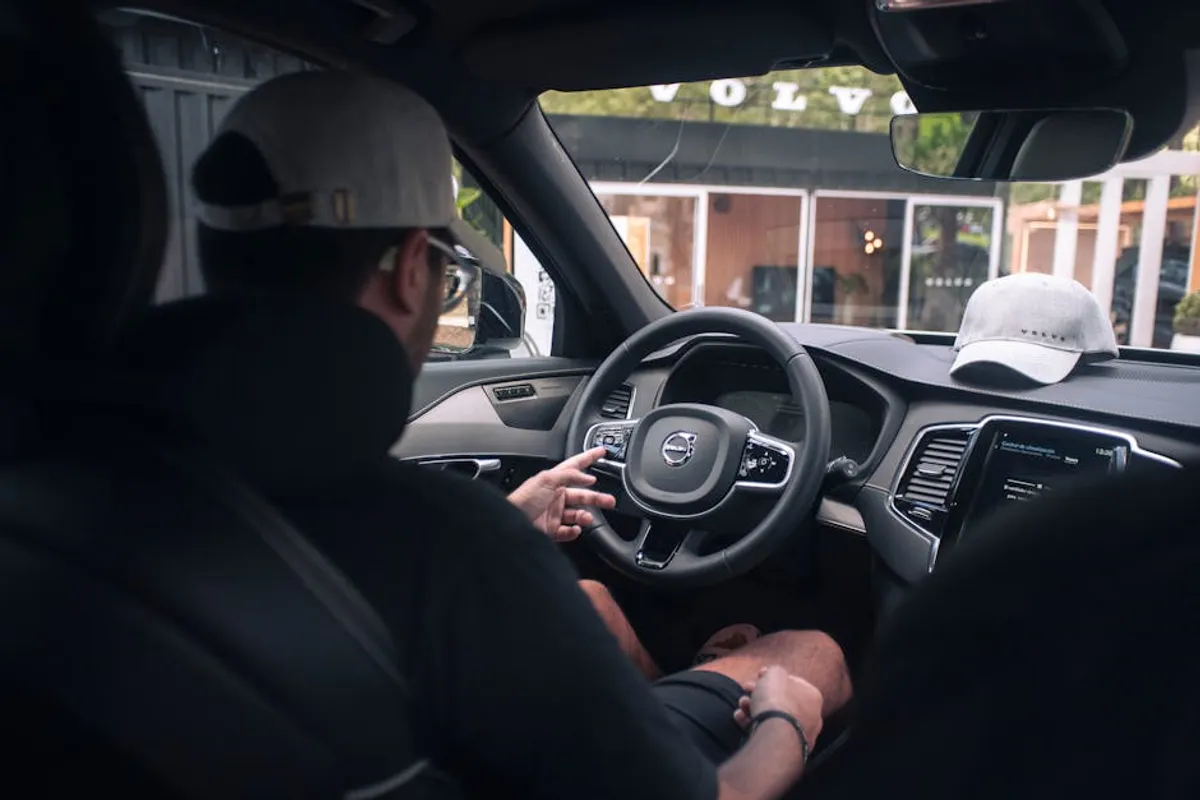
Inside, the cabin emphasizes a clean, uncluttered aesthetic. The primary interface is a large 15.4-inch landscape-oriented infotainment screen powered by Google built-in, offering access to Google Maps, Google Assistant, and the Google Play Store. A smaller 10.2-inch driver display provides essential information, minimizing distractions. Material choices reflect Polestar's sustainability focus, incorporating recycled PET, bio-attributed MicroTech vinyl, and animal welfare-certified Nappa leather options. This blend of technology and material consciousness aims to create a premium yet responsible interior environment.
Performance and Powertrain Configurations
The Polestar 4 offers two distinct powertrain configurations, catering to different performance and range priorities:
- Long Range Single Motor: This rear-wheel-drive variant delivers 200 kW (272 hp) and 343 Nm of torque. It achieves 0-100 km/h (0-62 mph) in 7.4 seconds. The single motor setup typically offers a longer estimated WLTP range, prioritizing efficiency.
- Long Range Dual Motor: This all-wheel-drive configuration provides significantly higher output with 400 kW (544 hp) and 686 Nm of torque. It accelerates from 0-100 km/h (0-62 mph) in 3.8 seconds, making it the fastest Polestar production car to date. This variant includes a disconnect clutch on the front motor to maximize range when full power is not required.
Both versions are equipped with a 102 kWh battery, providing competitive range figures. The vehicle supports DC fast charging at up to 200 kW and AC charging at up to 11 kW. A heat pump is standard, contributing to efficiency in varying climate conditions by utilizing ambient heat for cabin and battery pre-conditioning.
Pro Tip: For businesses evaluating fleet electrification or offering premium transport services, the choice between single and dual motor Polestar 4 models should consider the balance between maximum range efficiency (single motor) and high-performance capability (dual motor). The dual motor's rapid acceleration and all-wheel drive offer a distinct advantage for clients prioritizing dynamic driving, while the single motor may reduce operational costs through improved energy consumption.
Integrated Technology and Connectivity
The Polestar 4 integrates a comprehensive suite of technology designed to enhance safety, convenience, and connectivity. The infotainment system, built on Android Automotive OS, provides a familiar and intuitive user experience. Over-the-air (OTA) updates are a core component of the vehicle's lifecycle, allowing for continuous software improvements, new features, and bug fixes without requiring dealership visits. This capability ensures the vehicle's technology remains current and adaptable over time.
Safety features include a robust set of advanced driver-assistance systems (ADAS), powered by Mobileye technology. These systems leverage 12 cameras, one radar, and 12 ultrasonic sensors to provide functionalities such as adaptive cruise control, lane-keeping assist, and blind-spot monitoring. The driver monitoring system, using a camera on the steering column, tracks eye and head movements to detect signs of fatigue or distraction, adding an additional layer of safety.
Market Positioning and Competitive Landscape
The Polestar 4 is positioned to compete in the premium electric SUV coupé segment, a growing niche that blends the practicality of an SUV with the sleek profile of a coupé. Its primary competitors include vehicles like the Tesla Model Y, Audi Q4 e-tron Sportback, Mercedes-Benz EQE SUV, and potentially the Porsche Macan EV. Polestar differentiates itself through its distinct design, particularly the rear window deletion, its strong emphasis on sustainable materials, and its performance credentials.
The brand's direct-to-consumer sales model and focus on digital retail experiences also set it apart from traditional automotive manufacturers. This approach aims to streamline the purchasing process and foster a direct relationship with the customer, aligning with modern consumer expectations for transparency and convenience.
Ownership and Operational Considerations
For potential owners and fleet managers, understanding the operational aspects of the Polestar 4 is crucial. Its 400V electrical architecture supports efficient charging, and the inclusion of a heat pump is beneficial for range preservation in colder climates. Maintenance requirements for EVs are generally lower than internal combustion engine vehicles, primarily involving tire rotations, brake checks, and cabin air filter replacements.
The vehicle's reliance on OTA updates means that software-driven features and performance optimizations can be delivered remotely. This not only adds convenience but also contributes to the vehicle's long-term value by ensuring access to the latest technological advancements. The Google built-in infotainment system also means a familiar ecosystem for many users, reducing the learning curve for new owners and providing seamless integration with existing digital lives.
Evaluating the Polestar 4's Market Impact
The Polestar 4 represents a significant entry in the electric performance SUV coupé market. Its unique design, particularly the innovative rear window solution, sets it apart visually and functionally. The blend of high performance, competitive range, and a strong commitment to sustainable material sourcing provides a compelling proposition for consumers and businesses prioritizing advanced electric mobility. Its success will hinge on its ability to convert design innovation and technological integration into a desirable and reliable ownership experience, supported by a robust charging infrastructure and consistent software enhancements.
Frequently Asked Questions
What is the primary difference between the Polestar 4 and Polestar 3?
The Polestar 4 is an SUV coupé with a more dynamic, lower-slung profile and a unique rear windowless design, targeting a sportier aesthetic. The Polestar 3 is a larger, more traditional mid-size SUV, emphasizing space and premium comfort.
Does the Polestar 4 have a rear window?
No, the Polestar 4 does not have a traditional rear window. It is replaced by a full-length glass roof that extends past the rear passengers, with a high-definition screen displaying a feed from a roof-mounted rear-view camera.
What is the estimated range of the Polestar 4?
Both the Long Range Single Motor and Long Range Dual Motor variants are equipped with a 102 kWh battery. Estimated WLTP ranges are competitive for the segment, with official figures typically exceeding 560 km (350 miles) for the single motor version.
What operating system does the Polestar 4's infotainment system use?
The Polestar 4 features an infotainment system powered by Android Automotive OS, with Google built-in, providing access to Google Maps, Google Assistant, and the Google Play Store.